Source Compact Automatic Label Dispenser for Food, Drinks, Cosmetics
Compare 30 compact automatic label dispenser options for food, drinks, and cosmetics. Buyers can evaluate specifications like labeling speed, driven type, and packaging materials to find the right machinery for their production needs; compare the available evidence and request quotations based on your requirements.
Key considerations
Products List


$12.00 - $14.00
Moq: 3000


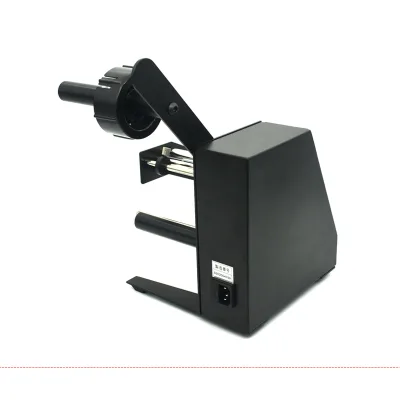


Comprehensive Sourcing Guide
Compact Automatic Label Dispenser Sourcing Guide
Procuring a compact automatic label dispenser requires a clear understanding of the specific labeling technology and substrate compatibility required for your production line. The market offers a diverse range of machines, from semi-automatic flat labelers to fully automatic vertical round bottle labelers, each serving distinct operational needs. Buyers must first determine whether their primary application involves flat surfaces, such as cardboard boxes or paper packaging, or curved surfaces like plastic and glass bottles. This distinction dictates the mechanical structure and drive type necessary for efficient operation.
The observed product landscape includes models designed for various industries, including food, cosmetics, and hardware. Some units are classified as automatic sanitizers or specialized dispensers, while others are dedicated label rewinders or labeling machines with specific speed capabilities. Understanding the difference between a simple dispenser and a full labeling system is crucial. A dispenser may only prepare the label, whereas a labeling machine applies it. Buyers should evaluate their throughput requirements against the observed labeling speeds, which can range from 15 to 80 bottles per minute depending on the machine class and configuration.
Product Scope and Observed Listing Signals
The current market signals indicate a wide variance in product classification and application scope. Listings reveal machines categorized as semi-automatic labelers, automatic vertical round bottle labelers, and specialized units like label rewinders. These devices are often marketed for use with paper, film, and other packaging materials. The presence of models with specific applications for seasoning, snacks, drinks, and dairy products suggests that these machines are versatile enough for high-volume consumer goods packaging. Buyers should note that some listings describe the product as a "sanitizer dispenser," which may indicate a specialized niche or a misclassification that requires careful verification of the actual mechanical function.
Observed specifications highlight key operational parameters that define the scope of these compact units. For instance, some label rewinders feature an adjustable reel core size from 1 to 3 inches and a rewind diameter of 185 mm, indicating compatibility with standard label rolls. Other machines, such as the LB805, are described as economy labeling machines with a labeling speed of 40 to 80 bottles per minute. The power supply specification of 100-240V suggests global electrical compatibility, which is a significant advantage for international procurement. Buyers must cross-reference these observed signals with their own facility’s power and space constraints to ensure the selected machine fits seamlessly into their existing workflow.
Technical Specifications to Verify
When evaluating technical specifications, buyers must prioritize the drive type and automatic grade to ensure alignment with their automation goals. The observed data includes both semi-automatic and automatic grades, driven by electric motors. It is essential to verify the labeling speed, which varies significantly between models, ranging from 15 to 30 bottles per minute for semi-automatic flat labelers to 40 to 80 bottles per minute for automatic round bottle labelers. Additionally, the physical dimensions of the machine, such as the 920 mm x 470 mm x 500 mm footprint observed in some listings, must be compared against the available floor space in the production area.
Other critical technical details include the packaging material compatibility and the structure of the cutting part. Some machines are designed specifically for paper substrates, while others handle film. The rewind type, described as automatic synchronization or adjustable speed dual-PU, is vital for maintaining label tension and preventing jams. Buyers should also verify the packing size, which can be as compact as 375 x 265 x 290 mm for rewinders, facilitating easier shipping and storage. Confirming the power supply range and the specific model number, such as FTR-218C or LGT-350L, ensures that the technical documentation and spare parts availability match the exact unit being purchased.
Compliance and Safety Documentation
Safety compliance is paramount when operating automatic labeling machinery, particularly in environments handling food, cosmetics, or cleaning products. Buyers must request documentation confirming that the electrical components meet international safety standards, such as CE or UL certification, depending on the destination market. The observed power supply specification of 100-240V indicates a broad voltage range, but buyers should verify that the internal wiring and grounding meet local electrical codes. This verification prevents potential hazards such as electrical shocks or fire risks, ensuring a safe working environment for operators.
Furthermore, documentation regarding the materials used in the machine’s construction should be reviewed, especially if the machine is used in food-grade applications. While the observed listings mention packaging materials like paper and film, the machine’s contact parts should be made from food-safe materials if applicable. Buyers should also inquire about the machine’s noise levels and ergonomic design, as these factors impact operator comfort and long-term productivity. Ensuring that the supplier provides comprehensive user manuals and safety guidelines in the buyer’s native language is essential for proper training and safe operation.
Cost Drivers and Commercial Terms
The cost of a compact automatic label dispenser is influenced by several factors, including the level of automation, labeling speed, and build quality. Automatic machines with higher throughput, such as those labeling 40 to 80 bottles per minute, typically command a higher price than semi-automatic units. The observed MOQ range of 1 to 3000 units suggests flexibility for both small-scale buyers and large distributors. Buyers should negotiate based on the total cost of ownership, which includes maintenance, spare parts, and energy consumption, rather than just the initial purchase price.
Commercial terms such as packaging and shipping methods also impact the final cost. Some machines are packed in cartons, while others require film protection and export wooden cases, which can increase shipping costs and handling complexity. The observed packing standard of 30 pieces per box for certain components indicates bulk shipping options that may reduce per-unit costs. Buyers should clarify whether the quoted price includes installation, training, and after-sales support. Understanding the lead time and warranty terms is also crucial, as these factors affect the overall reliability and risk management of the procurement process.
Supplier Qualification and Quality Control
Selecting a qualified supplier is critical to ensuring the long-term performance of the label dispenser. Buyers should verify the supplier’s manufacturing capabilities and quality control processes, particularly for machines originating from regions like Guangzhou, China. Requesting factory audits or third-party inspection reports can provide insights into the supplier’s production standards and consistency. It is also important to check the supplier’s experience in exporting similar machinery and their ability to provide technical support in the buyer’s region.
Quality control should extend to the pre-shipment inspection of the machine. Buyers should verify that the machine’s labeling speed, rewind diameter, and other specifications match the agreed-upon contract. Testing the machine with actual label rolls and substrates before shipment can prevent issues during installation. Additionally, buyers should ensure that the supplier provides a comprehensive list of spare parts and consumables, such as rollers and sensors, to minimize downtime. Establishing a clear communication channel with the supplier for technical queries and troubleshooting is essential for maintaining operational efficiency.
Long-Term Procurement Checks
Long-term procurement success depends on the supplier’s ability to provide ongoing support and spare parts availability. Buyers should establish a service level agreement that defines response times for technical issues and the availability of replacement parts. The observed product models, such as WCR7 and WC218, should be checked for their long-term availability and compatibility with future upgrades. Ensuring that the machine’s software and firmware can be updated is also important for maintaining performance and security over time.
Regular maintenance and calibration are essential for preserving the machine’s accuracy and efficiency. Buyers should develop a preventive maintenance schedule based on the manufacturer’s recommendations, including cleaning, lubrication, and inspection of critical components. Tracking the machine’s performance metrics, such as labeling speed and error rates, can help identify potential issues before they cause significant downtime. Building a strong relationship with the supplier for continuous improvement and feedback can also lead to better product iterations and support, ensuring that the label dispenser remains a valuable asset to the production line.
FAQs
What models are available for compact automatic label dispensers?
Several models are available including FTR-218C, FTR-118C, X-180, MD-910, LGT-350L, WCR7, WC218, WC212, and LB805. These units vary in classification, with options ranging from semi-automatic plane labelers to automatic vertical round bottle labeling machines. Buyers can select based on specific production needs and automation levels required for their packaging lines.
Can these machines handle different packaging materials?
Yes, the equipment supports various materials such as paper and film. Specific models are designed for carton packaging, while others handle bottles or flat labeling applications. The versatility allows manufacturers to adapt the machinery to different substrate requirements, ensuring compatibility with diverse product lines and packaging formats across industries like food and cosmetics.
What is the labeling speed for automatic round bottle machines?
Automatic round bottle labeling machines typically operate at speeds between 40 and 80 bottles per minute. This high throughput ensures efficient production for large-scale operations. The electric driven type provides consistent performance, making it suitable for high-volume environments requiring rapid application of labels on cylindrical containers without compromising accuracy or alignment.
How is the rewinding mechanism configured on these dispensers?
The rewinding mechanism features automatic synchronization with adjustable speed dual-PU rollers. The rewind diameter reaches 185 mm, and the reel core size is adjustable from 1 to 3 inches. This configuration ensures smooth material handling and precise tension control, which is critical for maintaining label integrity during high-speed dispensing and rewinding processes.
What are the standard dimensions for these labeling units?
Standard dimensions vary by model, with some units measuring 860*960*1570 mm and others at 920 mm*470 mm*500 mm. Specific packing sizes include 375*265*290 mm for certain compact models. These dimensions help buyers assess floor space requirements and integration feasibility within existing production layouts, ensuring the machinery fits comfortably in designated operational areas.
Are customization options available for these labeling machines?
Customization is available to meet specific operational requirements. Buyers can tailor features such as labeling speed, application type, and structural components to suit unique production needs. This flexibility allows for the adaptation of standard models to specialized tasks, ensuring optimal performance and efficiency for diverse industrial applications ranging from food packaging to cosmetic product labeling.